
Exploring the psychology behind casino gambling strategies
The Allure of Gambling: Understanding the Draw
The thrill of casino gambling has fascinated individuals for centuries, drawing them to the vibrant world of chance and risk. At the core of this appeal lies a complex interplay of psychological factors that compel people to partake. The excitement of potentially winning large sums of money, coupled with the sensory stimuli of lights, sounds, and social interactions, creates a captivating atmosphere that is hard to resist. This allure is often magnified by the potential for escapism, allowing players to momentarily forget their everyday worries and immerse themselves in a world filled with possibility. For those interested in maximizing their strategies, many may turn to the best sports betting app florida to enhance their experience.
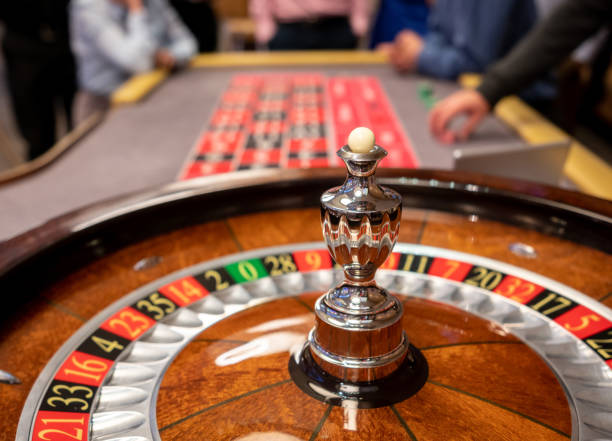
Moreover, the concept of uncertainty plays a significant role. The unpredictability inherent in games of chance engages the brain’s reward system, releasing dopamine and generating feelings of pleasure. Understanding this psychological mechanism helps to explain why many individuals are drawn back to casinos, often against their better judgment. This powerful combination of attraction and excitement can lead to the development of specific gambling strategies as players seek to maximize their chances of winning.
The Role of Cognitive Biases in Gambling Decisions
Cognitive biases significantly influence how gamblers approach their strategies and decisions. For instance, the illusion of control is a common bias where players believe they have more influence over the outcome than they actually do. This belief can lead to the adoption of particular strategies, such as betting patterns that are perceived to enhance control over game results. Gamblers may feel that by employing these strategies, they can outsmart the system, which ultimately fuels their engagement with the games.
Another important bias is the gambler’s fallacy, whereby individuals mistakenly think that past outcomes affect future results. This misunderstanding of probability can lead to poor decision-making and the continuous use of ineffective strategies. For example, a player may believe that after a series of losses, a win is “due” to happen soon. Understanding these cognitive biases is crucial for both players and casino operators, as it shapes the dynamics of gambling behavior and strategic planning.
The Impact of Emotions on Gambling Strategies
Emotions play a pivotal role in the choices gamblers make, often overshadowing logical reasoning. The excitement of winning can provoke a rush of adrenaline, prompting players to take more significant risks and strategize differently than they would in a more rational state. Conversely, feelings of frustration or disappointment after losses can lead to impulsive decisions, such as chasing losses through reckless betting. These emotional responses significantly impact gambling strategies, often leading players to abandon their original plans in favor of more reactive behaviors.
Furthermore, the role of emotions extends to the social aspect of gambling. Group dynamics can amplify excitement or anxiety, influencing individual strategies based on peer behavior. Gamblers may adjust their methods to align with group norms or to stand out from the crowd, demonstrating how social interactions can affect strategic thinking. Thus, understanding the emotional landscape of gambling provides valuable insights into why certain strategies are favored over others.
Strategies: Skill vs. Luck
The debate surrounding gambling strategies often centers on the balance between skill and luck. In games of chance, the outcome relies heavily on random events, yet many players believe that employing specific strategies can enhance their chances of winning. The skills involved vary by game, with some requiring strategic thinking, such as poker, while others, like slot machines, are purely reliant on luck. This dichotomy shapes how gamblers approach their gameplay, with many adopting strategies that align with their perceptions of ability versus chance.
Additionally, the environment of a casino further complicates this balance. Players may feel pressured to develop strategies based on the perceived skill level of others or the success stories shared among peers. This can lead to a culture of strategic experimentation, where gamblers continuously adapt their methods in search of an edge. Understanding this dynamic is essential for both players and casino operators, as it highlights the ongoing relationship between skill, luck, and the psychological elements that drive gambling behaviors.

Stay Informed on Gambling Psychology and Strategies
To navigate the complexities of casino gambling and understand the psychological underpinnings of various strategies, it’s crucial to stay informed. Our website offers valuable insights and resources tailored to enhance your understanding of gambling dynamics. By exploring articles and expert opinions, you can gain a clearer perspective on the factors influencing strategies and decisions in the world of gambling.
In addition to educational content, we prioritize user security and seamless engagement with our platform. Whether you are seeking to refine your gambling strategies or broaden your knowledge of gaming psychology, our resources are designed to keep you informed and engaged. Join us in exploring the intricate world of casino gambling, where understanding the psychology behind your strategies can significantly enhance your experience.